KEY TAKEAWAYS: Caring for curly hair goes beyond daily styling – professional salon treatments for curly hair can make a huge difference in curl health, definition, and manageability. Techniques like dry cutting, layering, and angled cuts ensure your curls fall naturally, while salon treatments restore moisture, reduce frizz, and enhance curl formation. By combining the right haircut with professional treatments, your clients can enjoy bouncy, well-defined curls that are easier to maintain at home.
UPDATED: April 7, 2026
Looking for the best ways to style and care for your clients' naturally curly hair? From playful layers to protective styles, there are so many options to embrace their unique texture. This blog is packed with tips on choosing the perfect hairstyle, keeping curls healthy, and making them look their best. Whether you’re new to curly hair care or just looking for fresh ideas, you’re in the right place!
Textured hair can often have a mind of its own, but with the right technique, a beautiful head of curls can turn into amazing naturally curly hairstyles.
Women are embracing their natural curls more than ever—while stylists are encouraged to shake up what they have always known about hair care and turn it into beautiful loops and coils.
To find success with natural, curly-haired clients, focus on these top-tier salon treatments for curly hair.
Our Top Tips & Salon Treatments for Curly Hair
Moisturize with Salon Treatments for Curly Hair Hydration
Curly hair tends to be dry, so hydration is a must if your client wants supple hair.
Unlike straight hair, a curly strand bends and twists. Sebum, the natural oil produced in the scalp, is often unable to coat the strands of this hair type due to its bending nature. Therefore, locking in moisture naturally is almost impossible because of the oils inability to lubricate the hair.
Water is the most important ingredient to keeping hair quenched. When paired with a leave-in conditioner, curly hair will then have the ability to better retain moisture, elasticity, bounce, and shine.
Premium Shampoos Can Make a Difference
Not all shampoos are created equal. How to properly shampoo for curly tresses and knowing when is best to shampoo are two of the most important things to know when caring for curly-haired clients.
It is not necessary to shampoo each time textured hair needs a wash because over washing can actually dry out the hair even more. Conventional shampoos clean like a detergent soaking up all the debris and dirt, but can also be too harsh for curly hair.
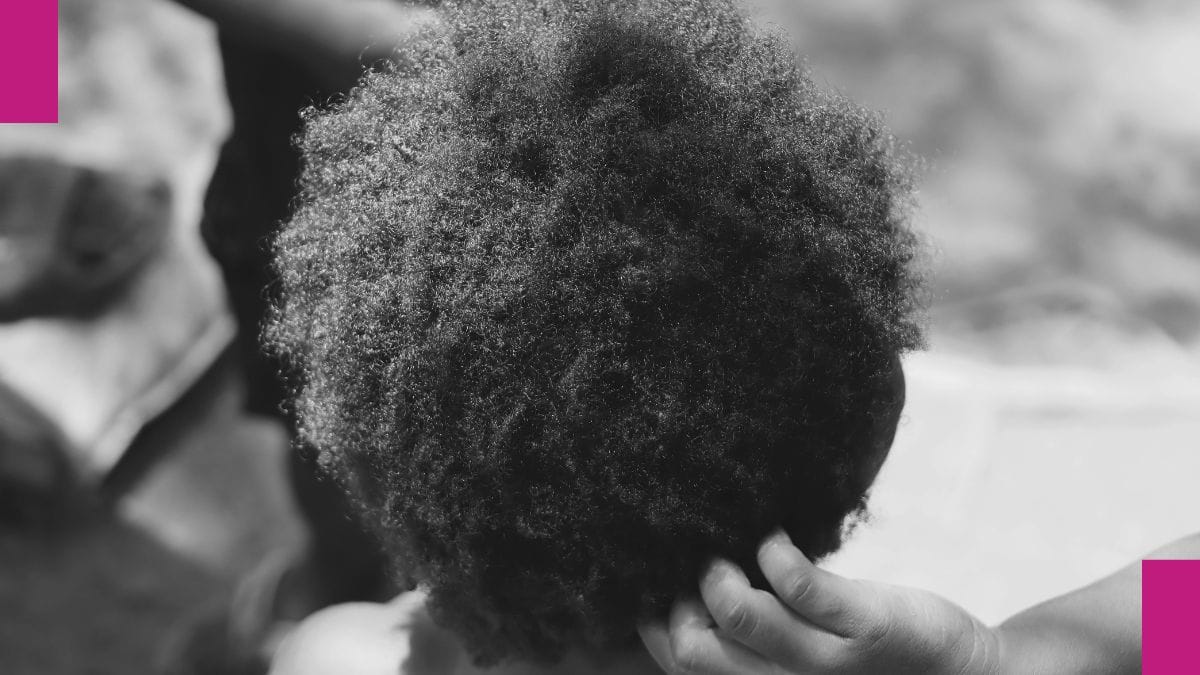
A great rule of thumb to prevent further dryness is to use shampoo only on the scalp and use conditioner to coat the rest of the hair.
Any debris on the hair will effectively be cleansed by the shampoo during rinsing. You could also opt for a cleanser that doesn’t contain sulfates and other harsh ingredients.
Consider the Curly Cut Technique
When it comes to curly hair, the haircut itself matters just as much (if not more) than the style. Unlike straight hair, curls behave differently depending on their pattern, density, and even humidity levels. That means using the right cutting techniques is key to achieving shape, definition, and manageability.
- Dry cutting is one of the most important techniques for curly hair. Cutting curls in their natural, dry state allows stylists to see how each curl actually falls, rather than guessing how it will spring up once it dries. This helps prevent uneven lengths and that all-too-common “shrinkage surprise.”
- Layering is another must for most curly styles. Adding layers removes excess weight, enhances volume, and helps curls form a more defined, bouncy shape instead of sitting heavy or flat. Strategic layering can also prevent the dreaded “triangle” effect, where hair appears wide at the bottom and flat at the top.
- Cutting at an angle (or point cutting) is often used to soften the ends and create movement. Instead of blunt, straight-across lines–which can make curls look bulky—this technique allows curls to blend more naturally and maintain a soft, lived-in shape.
- Many stylists also cut curl-by-curl, focusing on individual sections rather than treating the hair as one uniform mass. This approach respects each curl’s unique pattern and helps create a more customized, balanced result.
Leave-in Conditioner vs. Gel: The Ultimate Question
Conditioners reign supreme for replenishing lost moisture and are often used in tandem with shampoos. They help improve elasticity within the hair strand and will make your client's hair feel softer and more manageable. A quality conditioner fit for the client’s hair type is a great alternative as a leave-in or gel.
Gels are optimal for laying down pesky strands but can dry out the hair, creating a crispy, crunchy look. They coat the hair but without any true benefits.
Heavy conditioners can weigh looser textures down, but a quality, cream conditioner rebuilds and repairs hair. If it is a leave-in conditioner, leaving the moisture in the hair can create softer, natural definition without the stringy effect.
Ban the Brush
Under no circumstances should curly hair ever be brushed when it’s dry. Not only will this create frizz, but it can also damage the hair and ruin the curl pattern.
Due to the natural bends in the hair, the brush will resist the curl pattern and lead to breakage.
Instead, always comb textured hair while wet with a wide-toothed comb, preferably with conditioner to create more slippage and detangle any knots.
"Under no circumstances should curly hair ever be brushed when it’s dry. Not only will this create frizz, but it can also damage the hair and ruin the curl pattern."
When combing out knots, always start at the bottom and work your way up to the root of the hair. You will immediately notice that the comb will easily glide down the hair with no hitches.
Curly hair is glorious, but patience with drying is golden. Natural curls like to be left alone when drying—any kind of disruption during drying can just lead to more frizz.
Only Use Quality Curly-Approved Products
Feeding the hair does not necessarily mean that you plaster avocado on your client’s head—though it does work wonders. Instead, it’s more about extracting the benefits of a product.
Natural ingredients among hair products is a common concern within the hair care industry. Find a brand that fits your client’s needs in the gentlest, most effective way like these products that support hair thinning or loss.
The best ingredients for hair care often come from nature but can also be synthetic. You may even want to hunt for gentle alternatives, such as sodium laureth sulfate or TEA lauryl sulfate, if all natural products prove less than satisfactory.
Curly hair can take on a life of its own. Once you learn the ins and outs of what textured hair really needs, it will be easier caring for clients with this hair type.
Two Year
Lock in a rate of $150 per year by purchasing our two year policy, with all the same benefits.
$
299
/2 years
One Year
Protect your career for a single year. Get comprehensive coverage at the most affordable rate.
$
179
/year



Meet Hanna Marcus, the Founder and Head Copy Gal behind Boundless Copy, a one-of-a-kind copywriting agency that specializes in big, bold brand voice and industry-disrupting copy that’s all about resonating with the right audience.
Hanna has proudly teamed up with Elite Beauty Society for several years as their go-to copywriter on all things beauty, small biz marketing, and brand voice development. She’s big on feeling-first writing–her personal soapbox is that the best copy starts with telling a story.
When she’s not writing cheeky, converting copy for clients, she’s mentoring other aspiring copywriters and creating digital copywriting resources designed for service pros and focused on taking the stress out of DIY copywriting.Nationwide Hairstylist Liability Insurance Coverage
At Elite Beauty Society, we offer hairstylist liability insurance across all 50 states. Whether you're based in bustling California or rural Maine, you can trust that our coverage meets your state's requirements and protects you from unforeseen claims. With EBS, you get peace of mind knowing that no matter where you practice, your business and professional reputation are protected with liability insurance coverage for hairstylists. Select your state below to find the best coverage options for you.