KEY TAKEAWAYS: This Black History Month, we're sharing a list (that barely scratches the surface!) of influential black women who changed the beauty industry forever.
Updated: February 11, 2026
As we greet the month of February, we greet one of the most important months of the year—Black History Month.
This month celebrates and documents the achievements in Black history, providing a fresh reminder to take stock of where racism still exists and encourages us to continue engaging with history to give context for the present.
Most of all, Black History Month is an opportunity to understand Black histories and highlight Black achievement—something that should be done every day of the year.
This month-long observance can be celebrated and recognized in so many ways, but at Elite Beauty Society, we want to offer a perspective that probably hits close to home for so many of you—a cosmetologist's perspective.
It’s likely no surprise to modern cosmetologists that much of what we consider to be daily salon routines and how we treat hair has roots in Black salons and Black history—but we’re wondering if you’re aware of how much of modern cosmetology has been impacted and changed (for the better) by Black women.
To answer this question, provide insight, and honor Black achievement specifically in the cosmetology industry, we’re dropping a little knowledge this February with a list of a few powerful Black women in history who shook the cosmetology world to its core.
A Must-Know List of Black Women Who Shaped Cosmetology
Here’s a quick disclaimer—this is an incomplete list.
Why? Because it would be dang near impossible to list out all the Black women who have made an impact on the cosmetology industry (unless, of course, you wanted a never-ending blog page, which, you know, is actually a good idea).
But for this moment, we’re dropping just a few names that we think everyone should know, spanning time and decades to emphasize that Black women have been game changers in cosmetology (and beyond, of course) since the very start and will continue to be until the end of time.
Understand that this is by no means the only list.
Our advice? Read our article and then start your research—if you’re not yet educated on the way Black women changed cosmetology, you will be once you start reading.
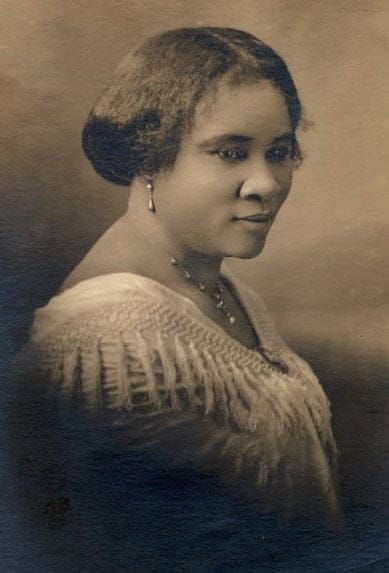
Madame C.J. Walker
(1867-1919)
It is truly impossible to make this list without mentioning Madame C.J. Walker. The first self-made millionaire in history, she was a force to be reckoned with and an absolute powerhouse in the hair health and beauty industries.
With her products made specifically for Black women, Walker’s product line offered life-changing pomades, shampoos, conditioners, and beyond that didn’t force Black women to use the euro-centric beauty products that were not designed with them in mind. Her “Walker system” of hair care was sold by her highly-trained beauty culturists. With her knack for self-promotion and product perfection, she changed the cosmetology industry forever.
But more than that, she employed thousands of Black women, donated much of her money to the NAACP, the Tuskegee Institute, and the Black YMCA, and focused on teaching her employees about how to find financial independence.
Marjorie Joyner
(1896-1994)
An outright revolution in the beauty industry, Marjorie Joyner began studying cosmetology in 1912. By 1916, she became the first Black female graduate of Chicago’s A.B. Molar Beauty School. By 20, she had opened her own salon.
Though Joyner is known for her early work and later becoming the national supervisor of Madame C.J. Walker’s Beauty Colleges (overseeing more than 200 beauty schools), what she’s often most recognized for—the permanent wave machine.
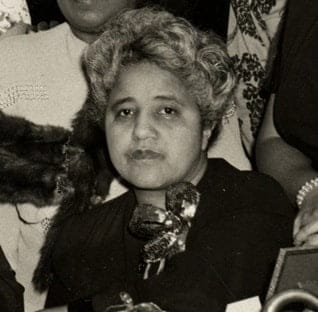

Image courtesy of and sourced from: https://blackpast.org/african-american-history/annie-turnbo-malone-1869-1957/
Annie Turnbo Malone
(1869-1957)
Entrepreneur, scientist, philanthropist, Annie Turnbo Malone truly took the world—not just the cosmetology world, for that matter—by storm. A chemist by trade, Annie became a millionaire through her work of successfully developing and marketing hair products for Black women in St. Louis—but it was never as simple as marketing through direct channels.
As a Black woman, Annie was denied access to the regular distribution channels, so to sell her products, she and her assistants went door-to-door and gave demonstrations. Her company eventually went national and by the early 1910s, Annie was a millionaire. All of that money didn’t sit stagnant, either. Annie established Poro College in St. Louis in 1918, a cosmetology school for Black women.
Sometimes, Annie’s success is overshadowed by the overwhelming success of Madame C.J. Walker—who was actually a former employee of Annie.
Rose Meta Morgan
(1912-2008)
Rose Meta Morgan has humble beauty beginnings that quickly skyrocketed her to owning and operating the largest Black beauty parlor in the world by 1942. Always an entrepreneur, Morgan had a hair career going by the age of 14 years old. Morgan directly opposed the Eurocentric beauty standards being forced on Black women at the time—so she began making her own line of cosmetics, products, and staging fashion shows.
Her salon went on to amass more than $3 million in sales only a few years after it opened its doors and her success continued to grow beyond the world of cosmetology.
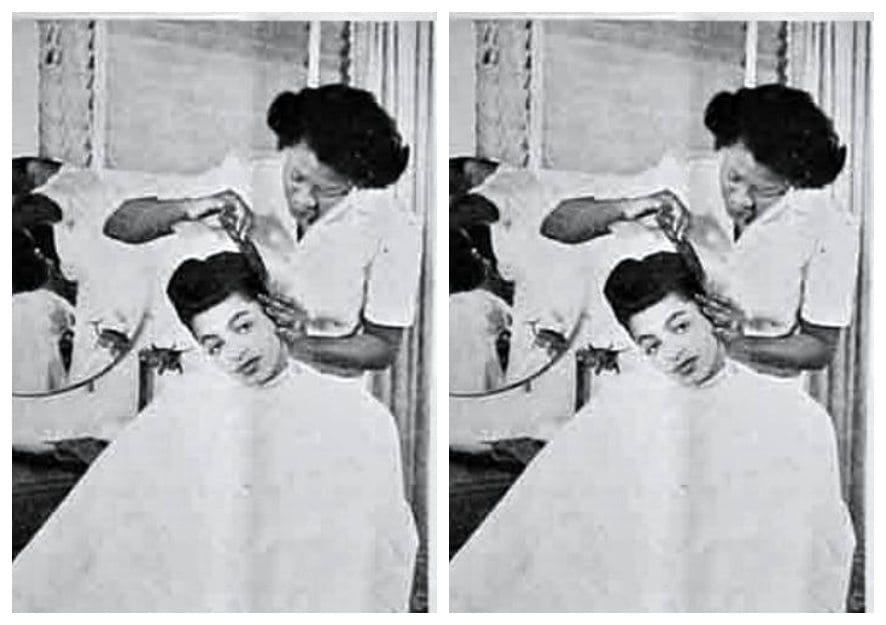
Image sourced from and courtesy of: https://face2faceafrica.com/article/rose-morgan-the-beauty-mogul-who-turned-her-small-salon-into-a-3m-business-in-the-40s
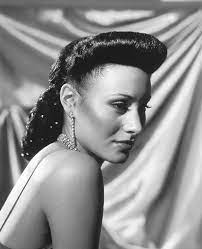
Example of hair extensions created by Jenkins. Image sourced from and courtesy of: https://glamoursisters.com/blogs/who-invented-weaves-and-why-christina-jenkins/who-invented-weaves-and-why-christina-jenkins
Christina Jenkins
(1920–2003)
Christina Jenkins was a true pioneer in hair design and cosmetology, especially within the Black hair community. She created one of the earliest modern hair extension techniques — later called the “Hair-Weev” — that made it easier to integrate extensions into natural hair by sewing them into braided styles, a method that evolved into what we know today as sew-in extensions. She trained cosmetologists in this method and helped expand professional technique across the U.S. and Europe.
Eunice W. Johnson
(1916-2010)
Eunice Johnson was a pioneer of the beauty and fashion industry and a businesswoman through and through, establishing Ebony Magazine and Ebony Fashion Fair in the 1950s and '60s. Often called one of the first Black beauty influencers, Johnson's traveling fair was known for setting fashion trends for Black women in the '60s.
In 1973, she established her own cosmetics line tailored to Black women: Fashion Fair Cosmetics, which is still sold in national department stores today.
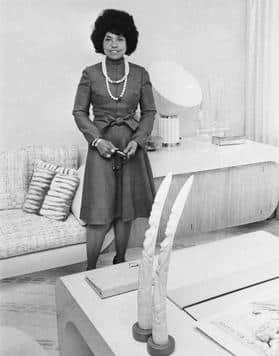
By WTTW-Chicago - Original publication: August 1, 1975. Immediate source: http://chicagotonight.wttw.com/2013/10/03/50-years-ebony-fashion, Fair use, https://en.wikipedia.org/w/index.php?curid=42296456
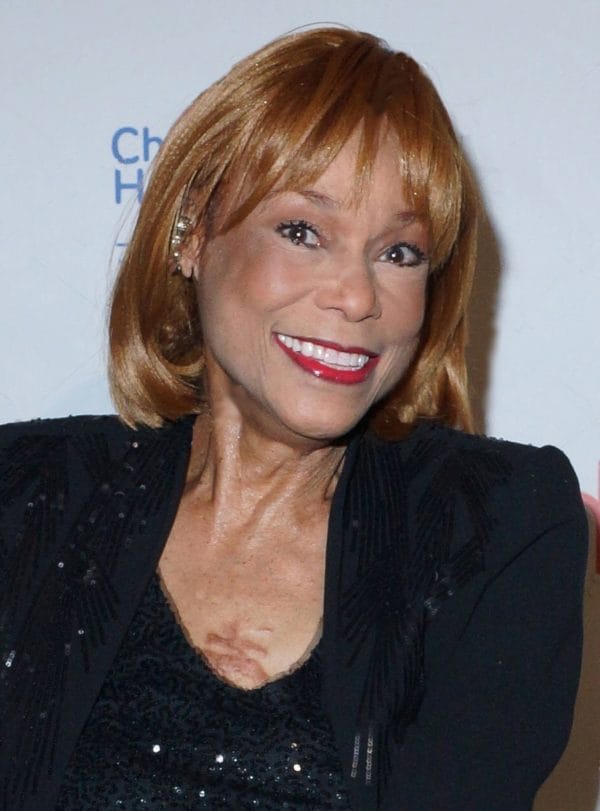
Image sourced from and courtesy of: https://worldbridemagazine.com/35577/hollywoods-first-black-makeup-artist-bernadine-anderson/
Bernadine Anderson
(1942)
Bernadine Anderson broke new ground beyond the salon. As the first Black woman makeup artist in Hollywood, she fought employment discrimination to earn a makeup apprenticeship and later worked on major films with stars like Jane Fonda and Eddie Murphy, paving the way for future Black artists in film and TV.
Pat McGrath
(1965)
Just like it’s impossible to leave any of the former mentions on this list out, it also would be an enormous disservice to cosmetology—and MUAs, specifically—to not mention Pat McGrath. An absolute beauty mogul and icon, McGrath got her start shaping the fashion industry by conceptualizing makeup looks for celebrities spanning fandom.
McGrath is considered to be the most important person working in cosmetology and is lauded as the “most influential makeup artist in the world”—but the achievements don’t begin and end there.
McGrath’s invention creations launched worldwide trends, she’s the most requested makeup artist, and, of course, has had an enormous impact on luxury and mass beauty markets through both influence and product creation. Though she’s teamed up with some of the biggest cosmetology names in the business, the real revolution came when she launched PAT McGRATH Labs in the 2000s.
As it states in her own bio on her site—Pat McGrath knows no boundaries.
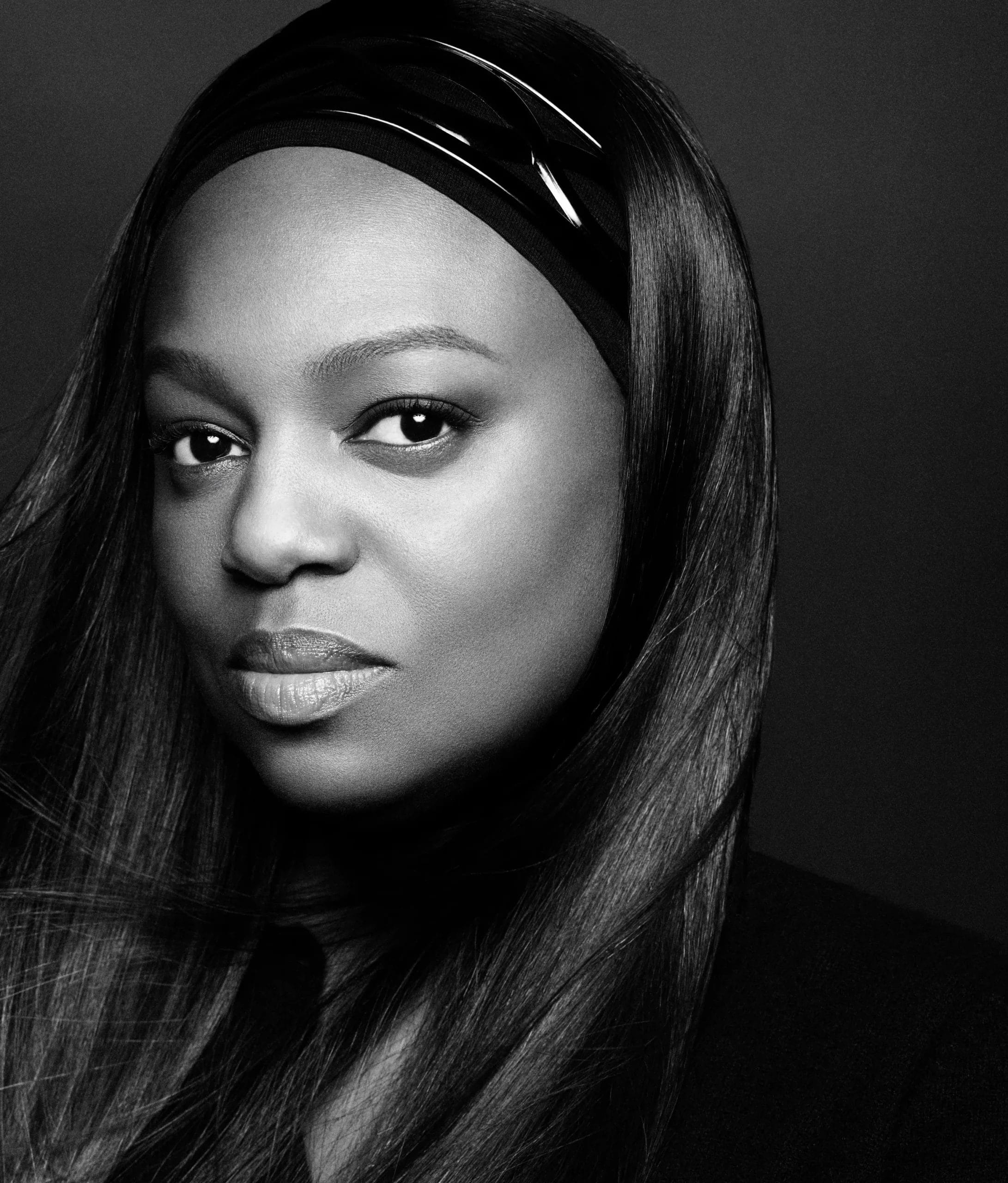
Image sourced from and courtesy of: https://www.patmcgrath.com/pages/about

Image sourced from and courtesy of: https://carolsdaughter.com/
Lisa Price
(1962)
Lisa Price is the founder of Carol’s Daughter, a beauty brand born in her Brooklyn kitchen that celebrates natural beauty and hair textures often overlooked by mainstream brands. By focusing on textured haircare and inclusive products, she changed how beauty brands approach diverse hair — helping make Black cosmetology about entrepreneurship as well as technique.
Have some extra perspective and additional industry-altering Black women you’d like to share?
Let us know! We’re always ready to drop knowledge that both educates on and celebrates Black history. Drop a comment in our reply section below to share your historical facts!
Love keeping up with the rich history of cosmetology? We’ve got good news—this is the place to do it. Want to know more about your industry’s background? Subscribe to EBS right here, right now so you never miss a beat!


Meet Hanna Marcus, the Founder and Head Copy Gal behind Boundless Copy, a one-of-a-kind copywriting agency that specializes in big, bold brand voice and industry-disrupting copy that’s all about resonating with the right audience.
Hanna has proudly teamed up with Elite Beauty Society for several years as their go-to copywriter on all things beauty, small biz marketing, and brand voice development. She’s big on feeling-first writing–her personal soapbox is that the best copy starts with telling a story.
When she’s not writing cheeky, converting copy for clients, she’s mentoring other aspiring copywriters and creating digital copywriting resources designed for service pros and focused on taking the stress out of DIY copywriting.